
Low-Impact Tourism On The British Coast

Why The Coast Deserves More Thoughtful Visitors
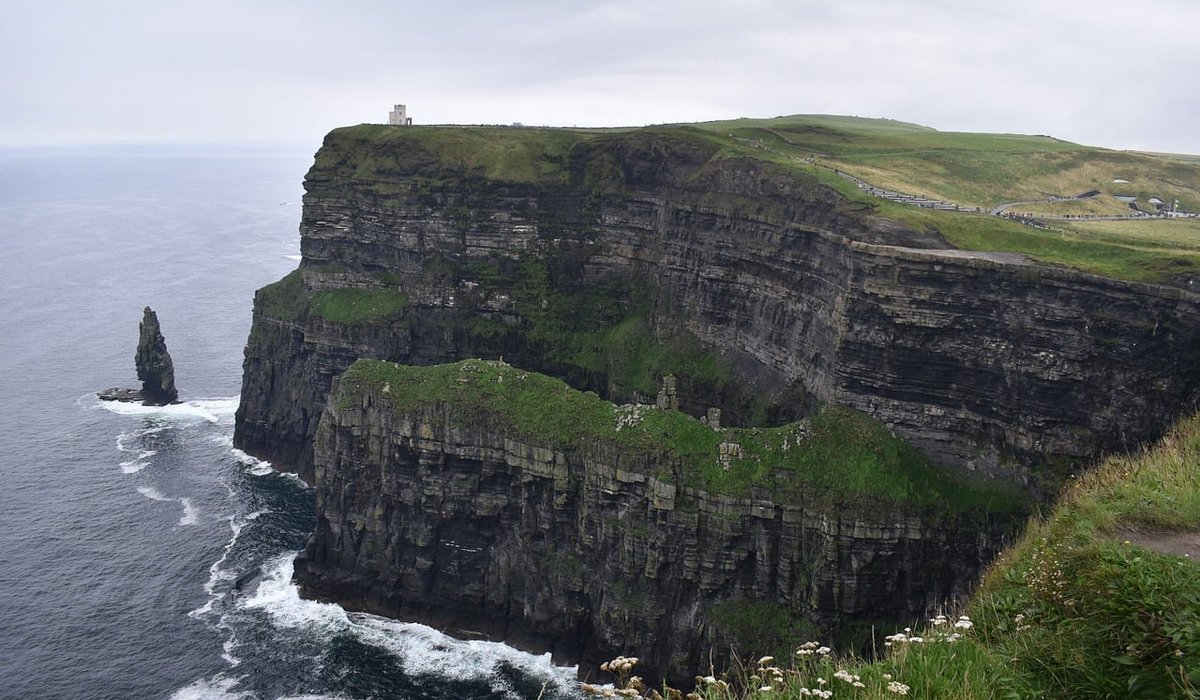
Britain's coastline runs for thousands of miles, from the granite coves of Cornwall to the dune-backed beaches of Northumberland and the sea lochs of the west of Scotland. It is also one of the most pressured environments in the country. Dune systems take decades to form and a single summer of trampling to damage. Seals, seabirds and rare plants are squeezed into narrow strips of land that we happen to find beautiful.
None of this means staying away. Coastal communities depend on visitors, and a well-run tourism economy is often the best argument for protecting a landscape in the first place. The trick is to make your money and your presence work in the coast's favour rather than against it. Here is how to do that practically, without turning your holiday into a research project.
Choose Accommodation That Invests In Conservation
Where you sleep at night is the single biggest lever you have. A campsite, B&B, bunkhouse or self-catering cottage that actively looks after its patch is worth ten that simply happens to be near the sea.
- Ask direct questions before booking. Do they buy from local suppliers? Do they have a renewable tariff, a refill point and proper recycling? Do they contribute to a local wildlife trust, National Park or beach clean group?
- Look for recognised green tourism accreditation, but treat it as a starting point rather than a guarantee — a small owner who can tell you exactly what they do for the surrounding area is often more convincing than a logo.
- Favour smaller, locally owned places over large out-of-town developments. Money spent with an owner who lives a mile from the beach tends to circulate locally.
- Skip the extras that cost the coast dearly. A heated outdoor tub in a drought-prone corner of the country is a poor trade for the view.
Spend Where It Stays
A coastal village with a working shop, a pub that opens in February and a boatman who takes people out wildlife watching is a village with a future. A village of second homes and seasonal pop-ups is not. Your spending choices decide which one you get.
- Buy your groceries, ice cream and sun cream from the village shop, even if it costs a little more than the supermarket on the way in.
- Eat in local pubs and cafés out of season as well as in it. A quiet Tuesday in October matters more to them than a busy Saturday in August.
- Book a local guide for kayaking, coasteering or a foraging walk rather than hiring gear you'll use twice.
- Hire beach kit, wetsuits and bodyboards where you can. Hiring beats buying, both for your wallet and for the landfill.
Travel Outside Peak Times
August bank holiday concentrates an entire summer's pressure into a few days. Car parks overflow onto verges, footpaths widen into mud, and fragile dune vegetation gets flattened. Shifting your trip by even a few weeks makes a measurable difference.
Late May, June and September are the sweet spots on most of the British coast. The water is at its warmest in September, the light is lovely, the crowds have thinned and prices drop noticeably. You will also get a warmer welcome — businesses that have just survived a hectic season have time to talk to you.
Term-time breaks work well for anyone not tied to school holidays, and midweek stays ease the pressure on narrow lanes and small car parks. If you must travel in peak season, arrive early, book parking and tables in advance, and consider staying a full week rather than weekend-hopping.
Getting There And Getting Around
The train is the unsung hero of the British seaside break. Lines reach a surprising number of coastal towns, and many others are a short bus or taxi ride from a station. Once you're there, walking the coast path is the whole point.
- Take the train where you can, and use seasonal coastal bus services to link stretches of path so you can walk one way rather than doubling back.
- If you drive, park once for the week and leave the car. Village lanes and passing places are not built for a second car per household.
- Cycle where the terrain allows — old railway lines and quiet lanes make for gentle, low-impact days out.
- Avoid driving onto beaches and dunes. It compacts sand, destroys nesting habitat and is illegal in many places.
Small Habits That Make A Big Difference
Once you're on the coast, a handful of habits protect the things you came to see.
- Give wildlife room. Keep well back from seals, especially in autumn when pups are on the shore, and from nesting seabirds between spring and midsummer. Keep dogs on leads near cliffs and colonies.
- Leave rockpools as you found them. Turn stones back over, and put anything you pick up gently back where it came from.
- Take everything home. Litter, fishing line, apple cores and dog waste included. Bin bags are lighter on the way back than on the way out.
- Watch water quality. Avoid swimming for 48 hours after heavy rain, when runoff can wash pollution into the sea.
- Join a beach clean if one is running nearby — an hour of your holiday, a genuine contribution to the place you came to enjoy.
None of this requires sacrifice. It mostly means slowing down, spending a little more thoughtfully and choosing the quieter path. Do that and your holiday leaves the coast better than it found it — which is, in the end, the only kind of tourism worth having.

Joeby Ragpa
This template is so awesome. I didn’t expect so many features inside. E-commerce pages are very useful, you can launch your online store in few seconds. I will rate 5 stars.
ReplyAlexander Samokhin
This template is so awesome. I didn’t expect so many features inside. E-commerce pages are very useful, you can launch your online store in few seconds. I will rate 5 stars.
ReplyChris Root
This template is so awesome. I didn’t expect so many features inside. E-commerce pages are very useful, you can launch your online store in few seconds. I will rate 5 stars.
Reply