
Why Marram Grass Is Vital For Dune Health

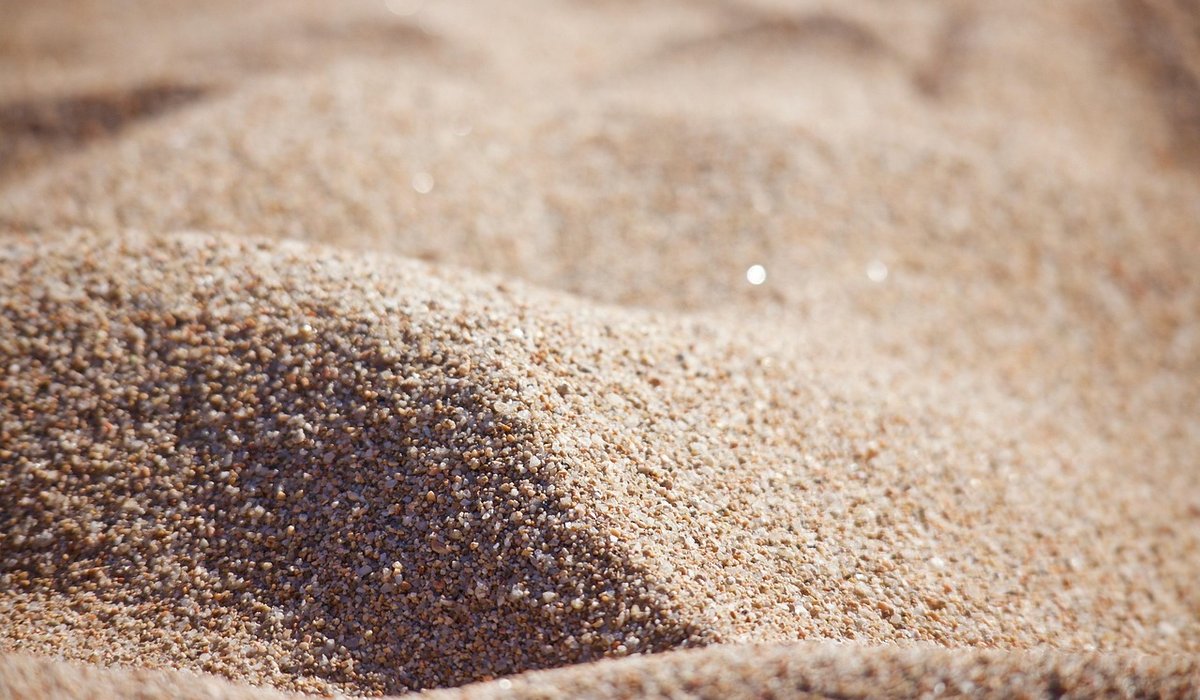
An unsung hero of the coastline
Marram grass is easy to overlook. It is a tough, spiky, grey-green plant that grows in dense tussocks along the top of our beaches, bending in the wind and looking, frankly, a bit uninviting. But that scruffy appearance hides one of the hardest-working plants in Britain. From the dunes of Cornwall and the Gower to the machair fringes of the Hebrides and the long sandy stretches of Norfolk and Lancashire, marram grass is the reason the dunes exist at all.
Get to know it and your whole experience of the seaside changes. You start to notice the way dunes step back from the shoreline in bands, the bare sand between the tussocks, and the small, quiet creatures that depend on both.
How a blade of grass builds a dune
Marram, Ammophila arenaria, does something remarkable. Rather than being buried by blowing sand, it grows up through it. Long underground stems called rhizomes push upwards whenever fresh sand settles on top, and the plant can keep pace with burial of roughly a metre a year in the best conditions. Its roots reach deep, often well over a metre, knitting the loose sand together far below the surface.
The leaves help too. They are narrow and rolled inwards to reduce water loss, and they trap sand on the windward side of each clump. Over seasons, those trapped grains build into a low mound. More grass grows, more sand collects, and a foredune rises. Behind it, sheltered from the wind, other plants move in and the dune becomes deeper, richer and more stable. In effect, marram is a builder that uses wind as its tool.
A shelter for coastal wildlife
Once marram has done its work, life arrives. The dunes it creates are among our richest habitats, and the grass itself plays a central part.
- Birds such as skylarks, meadow pipits and ringed plovers nest among the tussocks or on nearby bare sand, using the cover for shelter and the open ground for feeding.
- Reptiles and amphibians, including sand lizards and natterjack toads, rely on warm, open dune landscapes with a mix of vegetation and bare patches.
- Invertebrates — solitary bees, wasps, beetles and moths — burrow into the sand and need both the shelter of the grass and open areas to nest.
- Specialist plants like sea holly, bloody cranesbill and burnet rose appear in the more sheltered, established dune behind the marram zone, and damp dune slacks fill with orchids and rushes.
This mix only works because marram holds the sand in place long enough for everything else to establish. Remove it and the whole structure unravels.
Why trampling does so much damage
Here is the awkward part. Marram looks robust, but it is surprisingly fragile underfoot. Its leaves and rhizomes are easily snapped, and the plant regenerates slowly. A single well-worn gap in a dune — often no wider than a footpath — lets the wind in, and wind is relentless.
Once a patch of sand is exposed, it starts to move. The gap widens, deepens, and becomes a blowout: a scooped-out hollow that grows with every gale. Dune slacks can drain, established plants die back, and the ridge that was protecting the land behind it gradually lowers. All this from people taking a shortcut to the beach, or letting a dog dig at the roots.
The damage is rarely the fault of anyone in particular. It is the accumulation of thousands of small decisions made in good faith, which is exactly why small changes in habit make such a difference.
Storms, flooding and natural sea defence
Healthy dunes are not just wildlife habitat; they are infrastructure. A well-vegetated dune belt absorbs wave energy, slows the movement of water inland and gives the coast room to adjust during storms. Unlike a concrete wall, a dune can be pushed back, battered and rebuilt by wind and sand over the following months.
Marram is central to that resilience. Its clumps flex in strong winds rather than snapping, and the sand they hold can be redistributed naturally, with the dune reforming where it is needed. Where dunes have been worn thin by trampling, erosion during winter storms is far more severe, and the land and property behind them are more exposed. Coastal managers now routinely fence off vulnerable areas, lay brushwood or chestnut paling to catch sand, and replant bare ground with marram — a slow job that works best when visitors help rather than hinder.
Small habits for a healthier dune
Looking after dunes is genuinely easy, and it starts with where you put your feet.
- Use boardwalks and marked paths wherever they exist, even when the direct route to the sand looks shorter.
- Keep dogs close on dune paths and discourage digging, which tears up rhizomes and creates instant blowouts.
- Never pull at marram or pick its leaves. Even the dead material traps sand and shelters seedlings.
- Leave no fires or disposable barbecues on or near dunes — the heat kills roots and scorches seed banks.
- Take all litter home, and pick up fishing line and balloon fragments, which tangle in the grass and harm wildlife.
- Stick to bare sand or established tracks rather than walking through dune slacks, which are easily compacted and slow to recover.
- Join a local beach or dune volunteer group if you can. A morning spent clearing scrub or planting marram does more good than most people realise.
Marram grass does an enormous amount of quiet work on our behalf. Walking lightly over the dunes is the least we can do in return — and it means the coastline stays in better shape for every visit that follows.

Joeby Ragpa
This template is so awesome. I didn’t expect so many features inside. E-commerce pages are very useful, you can launch your online store in few seconds. I will rate 5 stars.
ReplyAlexander Samokhin
This template is so awesome. I didn’t expect so many features inside. E-commerce pages are very useful, you can launch your online store in few seconds. I will rate 5 stars.
ReplyChris Root
This template is so awesome. I didn’t expect so many features inside. E-commerce pages are very useful, you can launch your online store in few seconds. I will rate 5 stars.
Reply