
Family Beach Days Without The Environmental Guilt

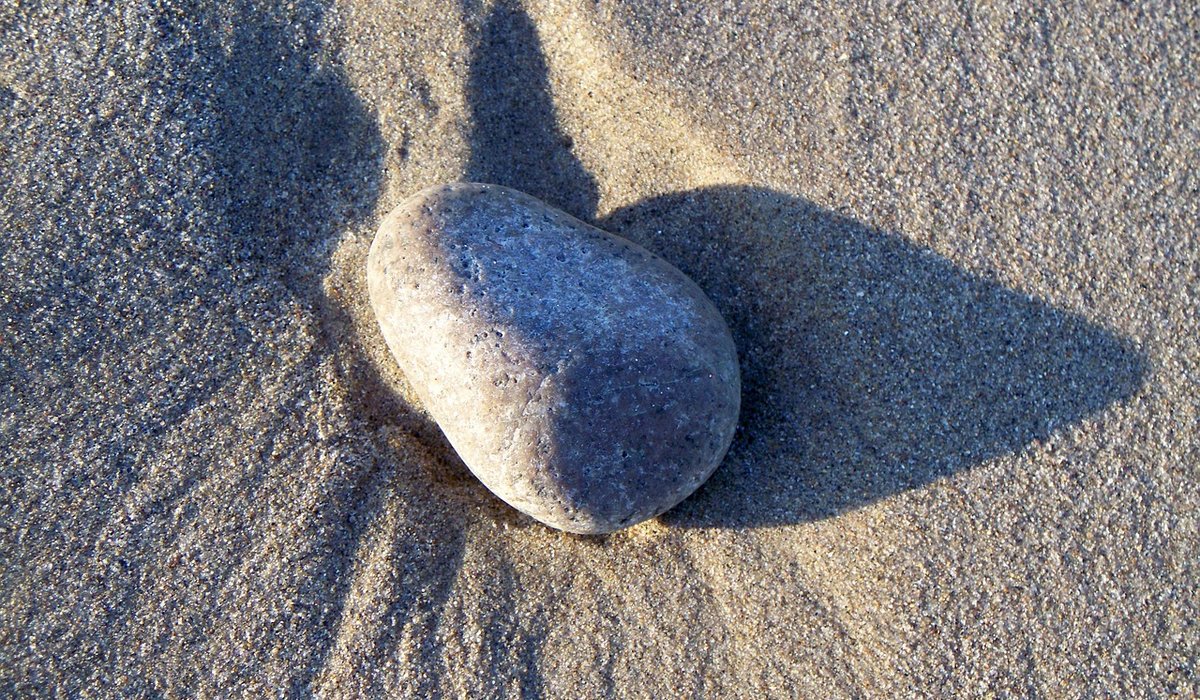
Family beach days can be kind to the coast
There is a particular joy in a British beach day: wind-whipped sandwiches, the dash into cold water, and the impossible task of getting sand out of the car for the next six months. But there is also a quiet pang of guilt. You have seen the plastic on the tideline, the balloons tangled in the marram grass, the cotton buds in the rock pools. The good news is that none of the changes needed to make a beach trip lighter on the coast are difficult, expensive or joyless. Most are things you already do at home, simply carried to the sea.
Getting there without a carbon hangover
Transport is usually the biggest environmental cost of a beach day, so it is the best place to start. Where you can, take the train, a bus or a park-and-ride service; coastal lines are often scenic, and the walk from the station to the sand is part of the fun. If you must drive, fill the car, share the journey with friends or neighbours, and check whether your destination runs a shuttle bus in high season.
- Travel early. You will find parking, miss the worst traffic and have the beach to yourselves for an hour.
- Pack light. A lighter car uses less fuel, and a lighter bag means fewer excuses to buy something disposable on arrival.
- Plan the last mile. Check footpaths and bus times before you set off, so the car is not the default for everyone.
- Consider a closer beach. A less famous stretch of coast twenty minutes away is often just as lovely and far less crowded.
Pack a bag that comes home empty
The classic beach bag is a bin bag waiting to happen: bottles, wrappers, cups, wipes. Swap the single-use items for things you already own, and the day gets cheaper as well as cleaner.
- Reusable water bottles for everyone, filled at home. Many seaside towns now have public refill points, so top up rather than buy.
- A flask of tea or squash, with reusable cups or beakers for little ones.
- Home-made snacks in tubs or beeswax wraps instead of crisp packets and cling film.
- Reusable cutlery and a spare container for the chip-shop tea that always ends up on the prom.
- Reusable swim nappies if you have a baby, plus a wet bag to carry them home.
- Sun cream in a larger or refillable bottle rather than several small ones, and a hat and long-sleeved top instead of more lotion.
- Two bags: one for your own rubbish, one for anything you find that someone else left behind.
A simple rule for the car boot: if it is single-use, it does not come to the beach. That includes balloons, sky lanterns, glitter and plastic confetti — all of which end up in the sea or in the stomachs of wildlife.
Leave only footprints on the sand
Once you are there, the habits that matter most are about wildlife, dunes and tidelines. Coastal creatures are tougher than they look and far more easily disturbed.
- Take your litter home if the bins are full, and pick up a few extra items as you go. Ten minutes with a bag and gloves teaches children more than any lecture.
- Never leave fishing line, hooks or balloon ribbons. They are lethal to birds, seals and cetaceans.
- Keep off the dunes. Marram grass holds the sand together; one shortcut can start a blowout that takes years to heal. Stick to boardwalks and paths.
- Look, do not lift. In rock pools, turn stones back gently, leave shells and seaweed where they are, and never take live creatures home.
- Watch the tide and the wildlife. Keep a respectful distance from seals, nesting birds and anything with young, and put dogs on a lead where signs ask.
- Skip the barbecue where it is banned, and never light a fire on pebbles or under cliffs.
Eat, shop and stay a little more locally
Money spent kindly in a seaside town keeps it alive and makes conservation something residents can afford to care about. Buy your ice cream in a cone rather than a tub with a plastic spoon, and choose a café that uses real cups. Look for refill shops for snacks and toiletries, and hire buckets, spades, wetsuits and bodyboards rather than buying cheap ones that break by August.
If you are staying over, choose smaller, locally run places, ask about their recycling and water-saving habits, and use the bins properly. Take the coastal path instead of driving between coves. And when you find a beach you love, look out for a local beach clean or wildlife group and join in for an hour — it is the easiest way to turn a holiday into something that gives back.
Small habits, repeated by many families
No single family can fix the state of the UK coastline, and guilt is a poor motivator anyway. But thousands of families packing reusable bottles, catching the train, picking up a handful of litter and keeping off the dunes adds up to something real. Start with one change this weekend and add another next time. Your children will remember the sandcastles, the cold water and the chips on the seafront — and they will also remember that you left the beach a little better than you found it.

Joeby Ragpa
This template is so awesome. I didn’t expect so many features inside. E-commerce pages are very useful, you can launch your online store in few seconds. I will rate 5 stars.
ReplyAlexander Samokhin
This template is so awesome. I didn’t expect so many features inside. E-commerce pages are very useful, you can launch your online store in few seconds. I will rate 5 stars.
ReplyChris Root
This template is so awesome. I didn’t expect so many features inside. E-commerce pages are very useful, you can launch your online store in few seconds. I will rate 5 stars.
Reply