
The Real Math Behind Slot RTP (And Why It Doesn't Mean What You Think)

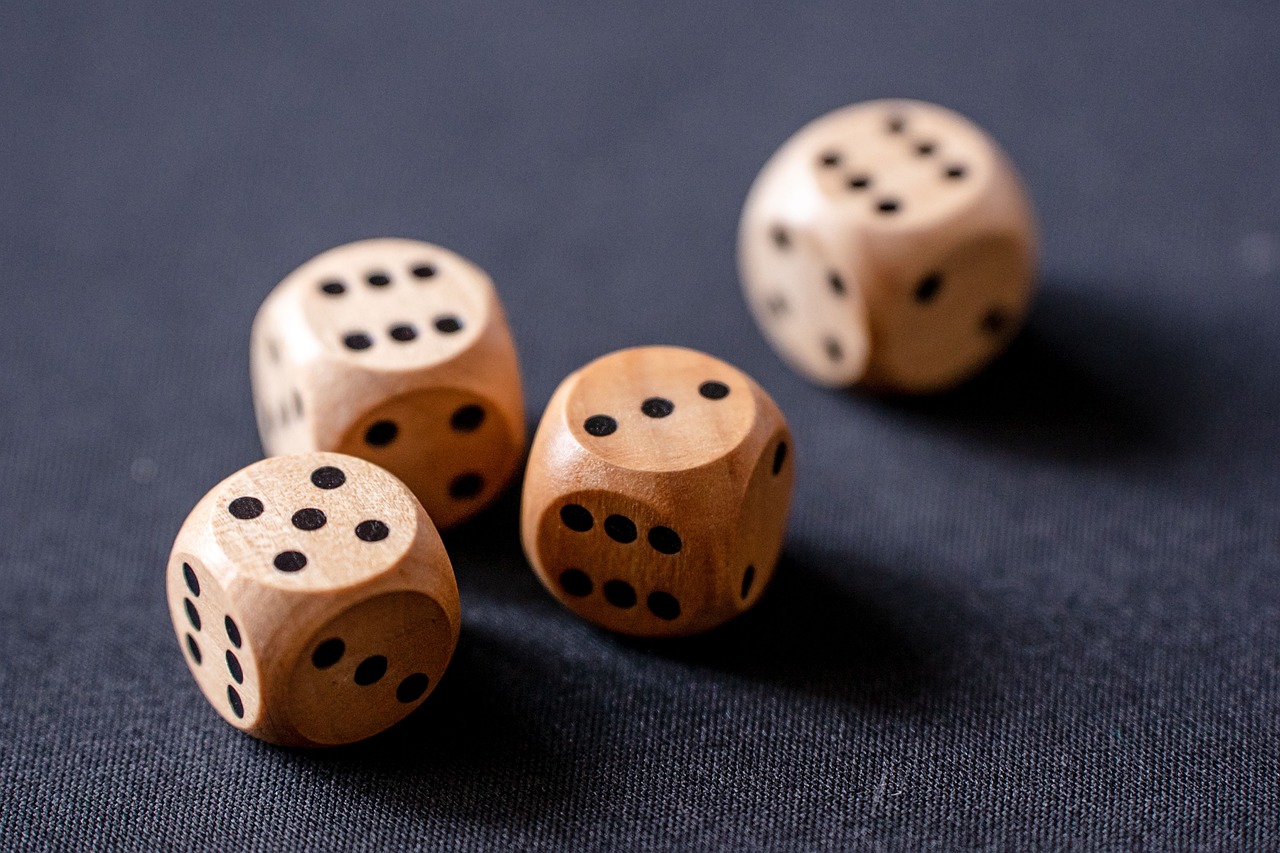
Every casino player has heard the phrase "this slot has a 96% RTP" and nodded along like it meant something obvious. But ask ten gamblers what that number actually does, and you'll get ten different answers, most of them wrong. Some think it guarantees they'll get 96 dollars back for every 100 wagered in a session. Others treat it like a rating: higher is better, full stop. The truth is messier, and understanding it will change how you pick games, manage your bankroll, and judge whether you're actually getting a fair shake.
RTP Is a Long-Run Average, Not a Promise
Return to Player is calculated over millions of spins, sometimes billions. When a developer lists 96.5% RTP, they mean that if you fed the machine an essentially infinite amount of money across an essentially infinite timeline, it would retain 3.5% and pay back the rest in winnings. That 3.5% is the house edge. On a single session, which might be 200 spins or 2,000, the result can swing wildly in either direction. You can hit 300% RTP and walk away up. You can also bleed everything in forty minutes on a game that theoretically returns 97%.
Think of it like life insurance actuarial tables. The insurance company knows the average payout per policyholder over decades, but that tells you nothing about whether you specifically will file a claim this year. Slots work the same way, just compressed into a few hundred outcomes instead of a few million people.
Volatility Is the Number That Actually Affects Your Session
Here's what most players overlook: RTP tells you the long-run value, but volatility tells you how that value arrives. Two slots can both offer 96% RTP and feel completely different.
- Low volatility: frequent small wins. You'll grind along, rarely bust quickly, but rarely explode either. Think Starburst or many classic 3-reel games.
- Medium volatility: a balance. Common in modern megaways-style games with cascading reels.
- High volatility: long dry spells punctuated by rare massive hits. Games like Book of Dead, Money Train 3, or most "max win 50,000x" titles fit here. You'll often lose 100 spins straight, then hit a bonus that pays 400x.
If you have a 50-dollar bankroll and play a high-volatility game at 1 dollar per spin, you might be finished in five minutes. The same bankroll on a low-volatility 0.20-spin game can stretch for hours. Neither outcome tells you which game is "better" — it tells you which one fits your tolerance.
The House Edge Has a Floor, and You Can Find It
Different products carry wildly different edges, and this matters if you want your money to last. For a closer look, สล็อตเว็บตรง has helpful details.
- Blackjack (basic strategy): roughly 0.5% house edge. Best odds in the building.
- Baccarat (banker bet): about 1.06%.
- Craps (pass line with odds): under 1% with full odds.
- Video poker (Jacks or Better, full pay): 0.46% with optimal play.
- European roulette: 2.7%. American roulette doubles it to 5.26% because of the extra zero.
- Slots: typically 2% to 10%, and often invisible because you can't calculate it yourself.
Notice that the games requiring skill cluster near the bottom. That's not a coincidence. Casinos are happy to offer low edges on games where most players make mistakes. The slots, where the math is locked in and nobody can misplay, carry the biggest margin.
Poker Is a Different Animal Entirely
The house doesn't play against you in poker. That's the crucial distinction. In cash games you're competing against other players, and the casino takes a rake — usually 5% of the pot up to a cap, something like $3. At $1/$2 no-limit, that rake can feel brutal, sometimes exceeding 10 big blinds per hour at a full table. At higher stakes, the rake caps out proportionally smaller, which is why serious players migrate up.
Tournament poker is a fee-based structure. A $100 + $10 buy-in means 10% goes to the operator upfront, and the rest forms the prize pool. Compare that to a slot's 4% edge per spin and it sounds worse — but unlike slots, a skilled player can achieve positive expected value against weaker opponents. The rake is the cost of doing business; the opponent quality is the business itself.
Practical Numbers for Smarter Sessions
Here's how to actually use this. Before you load a slot, check three things:
- The RTP — most regulated markets publish it, and it's usually between 94% and 97%. Below 94%? Look elsewhere. Online RTP also often exceeds land-based, where you'll sometimes see 88%.
- The volatility rating — usually shown as 1-5 or low/medium/high in the game info screen.
- The max win — important context. A 96% RTP game with a 5,000x max win distributes money very differently from one with a 50,000x max.
Also remember that bonus features can change the math. Some slots pay less on the base game and stuff the RTP into free spins. Buy-feature options (like paying 100x to trigger free spins) often carry a slightly lower theoretical return than grinding organically, which amuses players who assume convenience always costs more elsewhere.
The Bottom Line on Lady Luck
None of this helps you beat a slot. You can't count cards at a spinning reel, and no betting system turns a negative expectation into a positive one. What the numbers do give you is control over time and budget. Choosing a 96% RTP slot over an 88% one, picking volatility that matches your bankroll, and knowing when you're playing a game where your skill actually matters — poker, blackjack, video poker — is the difference between a session that lasts two hours and a session that lasts twenty minutes.
The most dangerous player isn't the one who doesn't understand the math. It's the one who thinks he does. He chases losses assuming the RTP "owes" him a payout, plays high-volatility games on a low-volatility bankroll, and blames bad luck for outcomes that were built into the design. Treat RTP as a description of a million spins, not your next hundred. Treat volatility as the actual predictor of your night. And treat the house edge for what it is: a tax on entertainment, priced differently at every table and every machine. Pay attention to the price.

Joeby Ragpa
This template is so awesome. I didn’t expect so many features inside. E-commerce pages are very useful, you can launch your online store in few seconds. I will rate 5 stars.
ReplyAlexander Samokhin
This template is so awesome. I didn’t expect so many features inside. E-commerce pages are very useful, you can launch your online store in few seconds. I will rate 5 stars.
ReplyChris Root
This template is so awesome. I didn’t expect so many features inside. E-commerce pages are very useful, you can launch your online store in few seconds. I will rate 5 stars.
Reply