
The Real Math Behind Slot RTPs (And Why It Matters)

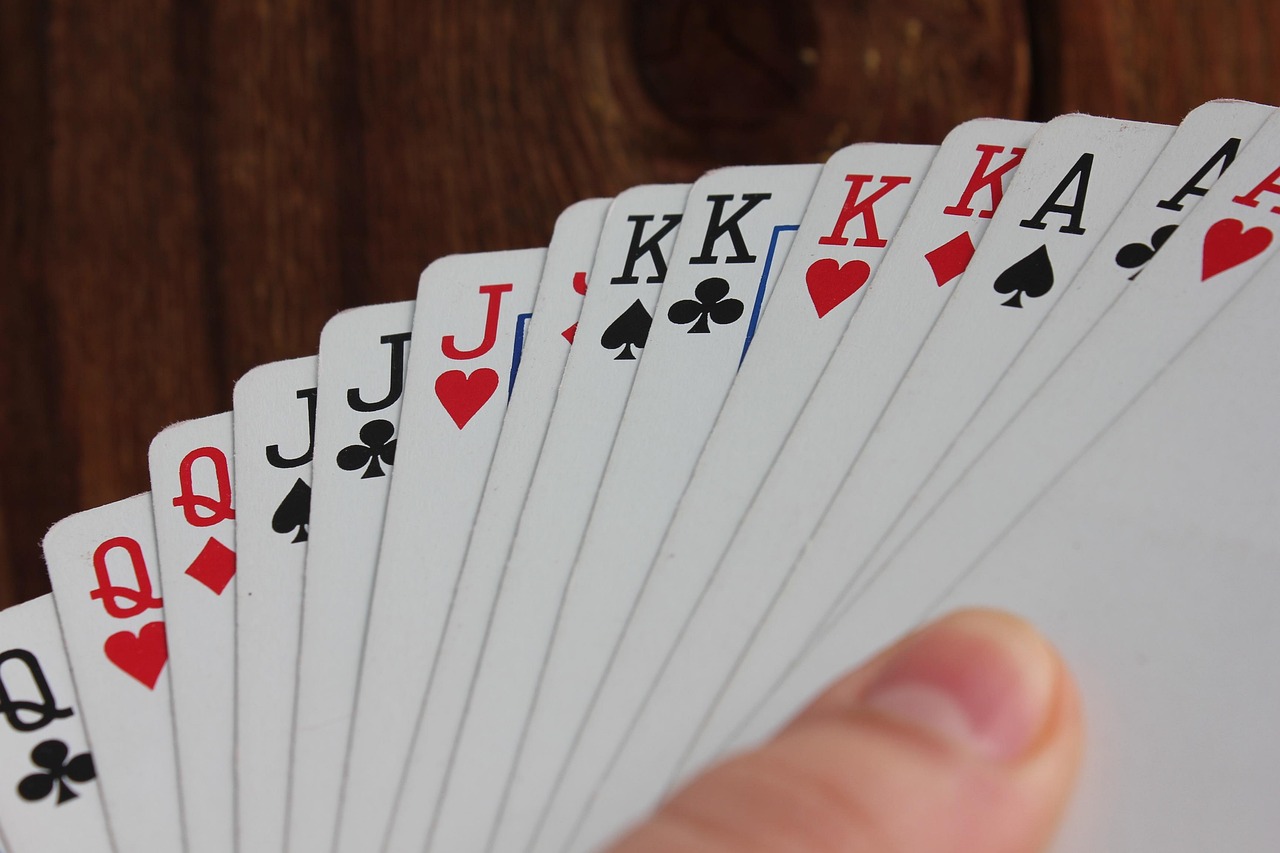
Every slot player has heard the phrase "this machine is due." It isn't. A slot machine has no memory, no grudge, and no generosity. It has a random number generator that spits out a result thousands of times per second, and a paytable that quietly decides how much of your money comes back over the long run. Understanding that number — the return to player, or RTP — is the difference between gambling as entertainment and gambling as a slow leak in your wallet.
This isn't about killing the fun. It's about knowing exactly what you're paying for it. Let's dig into how slot math actually works, why a 96% RTP doesn't mean you get 96 bucks back from a 100-dollar session, and how the same logic applies whether you're spinning reels, betting on football, or grinding a poker table.
RTP Is a Long-Run Average, Not a Promise
When a slot lists a 96% RTP, it means that over millions of spins, the machine is designed to return 96 cents for every dollar wagered. The remaining 4% is the house edge — the casino's built-in profit margin. That's the boring version. Here's the version that matters at 2 a.m. on a Friday. For a closer look, สล็อตเว็บตรง has helpful details.
In a single session of, say, 200 spins at $1 each, your actual return could be anywhere from 0% to several thousand percent. The RTP only converges to 96% across an enormous sample size — think tens of millions of spins. Short-term variance is the entire experience. You're not chipping away at a guaranteed 4% loss; you're riding a wild distribution where most sessions end slightly down, a few end badly, and a handful end in a life-changing hit.
This is why two players can sit side by side on identical machines, one walks away up $300 and the other down $200 within an hour. Same math, different luck. The RTP was working perfectly the whole time.
Volatility: The Number Nobody Talks About
RTP tells you the average. Volatility tells you the ride. A low-volatility slot pays small amounts frequently — think 0.5x to 2x your stake, often. A high-volatility slot might go 150 spins without a meaningful win, then drop a 500x payout. Same RTP, completely different feel.
- Low volatility (RTP 96-97%): Frequent small wins. Great for stretching a bankroll and playing longer.
- Medium volatility: Balanced. Occasional 20x-50x hits. The casino floor standard.
- High volatility (RTP 96-97%): Brutal dry spells, rare massive payouts. Megaways titles and "book of" slots live here.
If you don't know which category your game sits in, you can't plan a session. Sitting on a high-volatility slot with a 50-spin bankroll is financial suicide, no matter how good the RTP looks on paper.
How Poker and Sports Betting Use the Same Logic
Slots get the reputation as the "dumb" game, but the underlying principle — expected value — runs through every form of iGaming.
In poker, you're not playing against a house edge; you're playing against other humans, minus a rake. A 5% rake at a low-stakes cash game is brutal and often unbeatable for a mediocre player. At high stakes, the rake might drop to 2-3%, and suddenly a modest edge becomes profitable. The rake is the RTP of poker — the silent tax on every pot.
In sports betting, the equivalent is the vig, or juice. A standard -110 line on both sides of a spread means you need to win 52.4% of your bets just to break even. Bookmakers running a 4-5% margin on a market are basically offering you a 95-96% RTP event — eerily close to a typical slot. Sharp bettors hunt for soft lines and promo boosts specifically because those nudge the effective RTP up a point or two, which compounds massively over hundreds of bets.
Once you see iGaming as a single RTP ecosystem, the marketing noise fades. A "hot" roulette table, a "loose" slot, and a "lock" parlay are all just variance dressed up in a story.
Practical Tips That Actually Move the Needle
You can't beat the math, but you can stop paying unnecessary tax. Here's what experienced players actually do.
- Check published RTPs. Many jurisdictions require slots to display RTP, and most developers list it. A 94% slot versus a 97% slot is a 75% difference in house edge — enormous over hundreds of sessions. Avoid the bottom of the range.
- Match volatility to bankroll. If you're playing with 100 spins, stay on low or medium volatility. High-volatility slots demand 500+ spins to have a realistic shot at the bonus.
- Use bonuses with sane wagering. A 100% deposit match with 40x wagering on a 95% RTP slot is a losing proposition in expected value terms — you'd need to wager 4,000 to clear a 100 bonus, and you lose about 5% of every wager, so the math says you'll lose 200 clearing it. Anything above 30x needs scrutiny.
- Track your rake and vig. Poker players who move up in stakes often don't realize the rake percentage drops — but so does the number of fish. Don't assume "higher stakes = better."
- Set loss limits, not win targets. Win targets are fantasies. Loss limits are decisions. Set one before you open the game, and honor it.
The House Edge Isn't the Enemy — Ignorance Is
Here's the thing most gambling content gets wrong: the house edge is not a scam. It's the price of admission. A casino or sportsbook is a business. It pays staff, licenses, servers, and marketing out of that 2-5% margin. Nobody should be outraged that a slot returns 96% instead of 100%.
The real damage comes from players who treat the game as a puzzle to be solved. They chase losses on 94% RTP slots thinking the machine owes them. They parlay everything at -110 and wonder why their balance bleeds. They sit in a raked-to-death poker game and convince themselves they're just running bad.
Treat iGaming like a night out with a known price tag. Pick games with fair RTP. Match volatility to your patience. Understand that variance is the show, not a malfunction. And when a session stops being fun — because at the end of the day, that's the only product you're actually buying — walk away.
You'll never beat the math. But you can absolutely stop being surprised by it. And that quiet certainty, honestly, is worth more than any bonus round.

Joeby Ragpa
This template is so awesome. I didn’t expect so many features inside. E-commerce pages are very useful, you can launch your online store in few seconds. I will rate 5 stars.
ReplyAlexander Samokhin
This template is so awesome. I didn’t expect so many features inside. E-commerce pages are very useful, you can launch your online store in few seconds. I will rate 5 stars.
ReplyChris Root
This template is so awesome. I didn’t expect so many features inside. E-commerce pages are very useful, you can launch your online store in few seconds. I will rate 5 stars.
Reply